Get in touch
Exploring the latest in technology, programming, and digital innovation
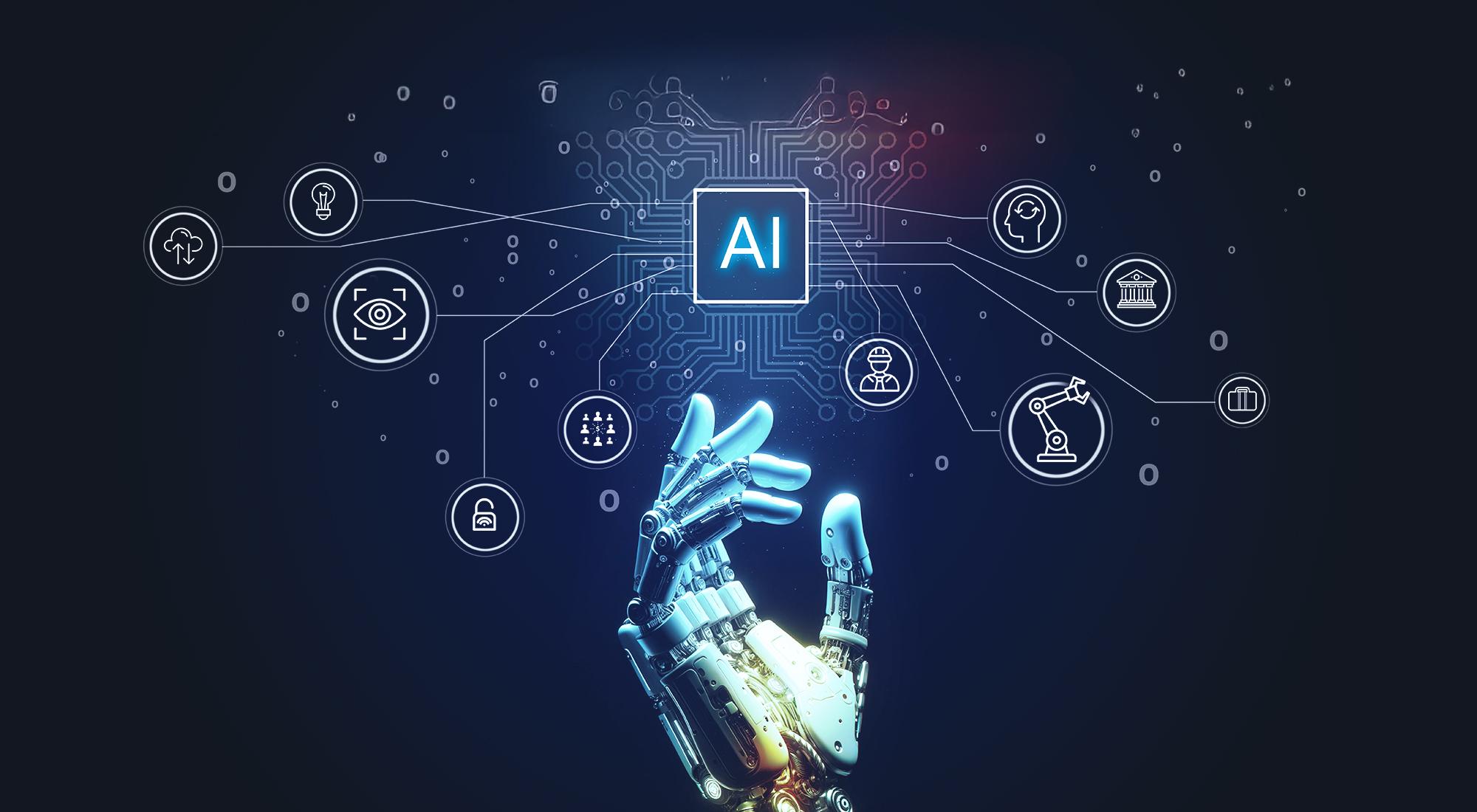
Artificial Intelligence (AI) continues to redefine the boundaries of what’s possible, transforming nearly every aspect of human life — from the way we communicate to how industries operate. Once viewed as a futuristic concept, AI has now become a foundational technology driving global innovation, efficiency, and creativity. As algorithms grow more sophisticated and accessible, the next wave of AI evolution promises to be even more transformative.
1. Generative AI in Creative Industries
Generative AI is reshaping how content is produced, designed, and experienced. From text and image generation to music composition and video creation, AI tools are empowering artists, designers, and creators to explore new levels of creativity. This fusion of human imagination and machine intelligence is blurring the lines between creator and tool, allowing for faster ideation, personalized experiences, and new forms of artistic expression.
2. AI-Powered Cybersecurity
As digital threats grow more complex, AI is becoming a critical ally in defending against cyberattacks. Intelligent systems can now detect anomalies, predict breaches before they occur, and respond to threats in real time. Machine learning models continuously learn from new data, improving their ability to protect sensitive information and infrastructure. The future of cybersecurity will rely heavily on AI-driven automation to outpace cybercriminals.
3. Edge Computing with AI Capabilities
Edge computing — processing data closer to where it is generated — is gaining traction, especially with the rise of IoT (Internet of Things) devices. By integrating AI at the edge, systems can make real-time decisions without relying solely on cloud connectivity. This approach reduces latency, enhances privacy, and enables faster responses in applications like autonomous vehicles, healthcare monitoring, and smart cities.
4. Ethical AI and Regulation Frameworks
As AI becomes more pervasive, the need for ethical guidelines and transparent governance is paramount. Questions around data privacy, bias, accountability, and the societal impact of automation are shaping global policy discussions. Governments and organizations are now working to develop regulatory frameworks that ensure AI is used responsibly — promoting fairness, inclusivity, and human-centered innovation.
In the near future, AI will be so seamlessly embedded in everyday applications that users may not even realize they are interacting with it. From personalized digital assistants that anticipate needs to healthcare systems that offer tailored treatment plans, AI will make technology more intuitive, adaptive, and human-like. As it evolves, AI won’t just assist — it will collaborate, enhancing both personal and professional experiences.
Your email address will not be published. Required fields are marked *