Get in touch
In today's digital landscape, data has become the new oil—powering decisions, driving innovation, and creating competitive advantages. But as businesses and organizations collect more data than ever before, two critical roles have emerged to make sense of it all: Data Scientist and Data Analyst.
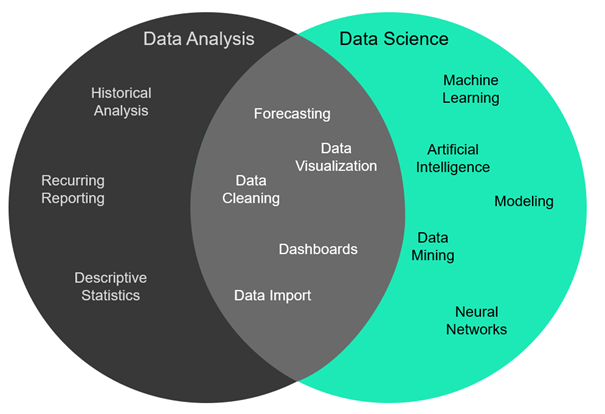
Data analysis and data science serve different but complementary purposes.
Data analysis is about understanding what has already happened and why. It turns historical data into clarity through reports, dashboards, and insights that help businesses evaluate performance, identify problems, and make informed short-term decisions. This is where facts are established, assumptions are challenged, and accountability begins.
Data science builds on this foundation by looking ahead. It uses statistical models, machine learning, and automation to predict future outcomes, recommend actions, and enable systems that can make decisions in real time. Rather than just explaining trends, data science anticipates them and helps organizations act before problems occur or opportunities are missed.
In real business environments, analysis must come first. Without reliable data and clear insights, predictive models lack context and accuracy. Strong data analysis provides the ground truth, while data science transforms that truth into foresight and scale. Together, they allow businesses to move from reactive reporting to proactive, intelligent decision-making.
Ultimately, data analysis shows where the business has been and where it currently stands. Data science helps decide where it should go next. The most successful organizations don’t choose one over the other—they invest in both.
Your email address will not be published. Required fields are marked *